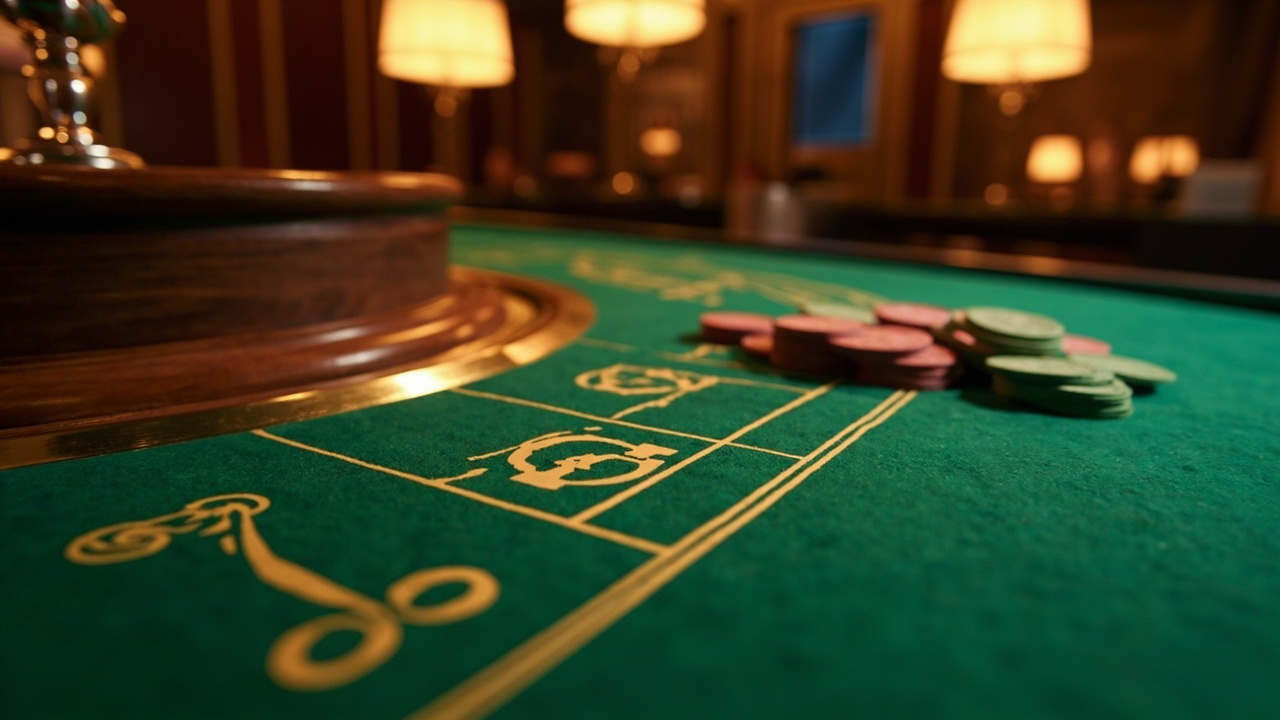
There’s a particular buzz when the band kicks in just as the cards start shuffling, and that’s exactly where casino live music gaming earns its keep in a local setting. I’ve spent years watching product teams chase novelty while operators lose patience on the floor, so I judge these setups the same way I’d judge a supplier pitch: does it hold up when the room gets loud and the staff are stretched? In regional Queensland, a Saturday arvo can turn a quiet club into a packed room in twenty minutes, and the software has to keep its head while the playlist does its job. That’s the real test for any platform that wants to sit beside a live act without turning into a gimmick.
When the House Band Meets the Live Table
The best casino live music gaming setups don’t treat the music as wallpaper; they build the session around it. I’ve seen suppliers come through Aruze Gaming Australia’s doors with flashy dashboards that collapse the moment a floor manager asks for three things at once, and that’s the moment I start asking harder questions about who actually owns the fault. A competent product keeps the card tables, the live dealer stream, and the music schedule on one clock, so the croupier isn’t guessing whether the next set starts before or after the spin. Down in regional Queensland, I’ve watched a town venue run a Friday session where the rhythm section and the live blackjack table shared the same green room, and the difference was plain: players stayed because the pacing felt human, not because someone slapped a bonus on top.
One journalist I spoke with put it bluntly: “You’re telling me the music and the table actually share a timeline, not just a room?” The answer from the floor side was straightforward. When the setlist and the table rotation are tied together, the staff aren’t improvising, and the players aren’t waiting on a cue that never comes. That’s the kind of judgement call I make on supplier trust before I’d ever sign off on a launch. If the product can’t keep its own house in order, it doesn’t deserve the stage.
Timing, Trust, and Who Owns the Delay
Supplier trust isn’t a slogan; it’s a list of things that go wrong and who fixes them first. I’ve sat through enough product reviews to know that a polished demo means little if the support team can’t tell me which licence covers which market, or if the handover document assumes the operator is doing the heavy lifting. That’s why I compare every new feed against the standard I’d expect from a regulated-market launch: clear ownership, documented uptime, and a person on the other end who knows the difference between a local glitch and a state-level regulator requirement. In Australia, that matters because each jurisdiction handles its own framework, and a platform that treats compliance like an afterthought will cost more in rework than it ever made in demos. neospin 66
The conversation with Sophie White, Head of Live Casino, Coral Coast Interactive, landed on the same point from a different angle. She noted that a live table and a live band both rely on timing, and when the timing slips, the players feel it before the staff do. Her caveat was simple: the product can look seamless in a showcase, but the real question is whether the operator can run it on a busy night without a stack of workarounds. I reckon that’s the line in the sand. If the music schedule and the table schedule are both managed by the same team with the same tools, you’ve got a chance of keeping the room steady. If they’re patched together across three vendors, you’ve got a Friday night headache.
Local Pages, Local Play, Local Expectations
Interface and localisation are where a lot of platforms trip over themselves, because they assume a slick global build will translate straight to a local room. It doesn’t. Navigation has to match how a local crowd actually moves through a venue, not how a product team in another hemisphere thinks a menu should behave. Currency, language, and search need to feel like they belong to the place rather than to a translated template. I’ve seen casino live music gaming setups where the search bar returns every game under the sun and none of the ones the room actually needs, and that’s a usability problem, not a content problem. A player who wants to find the live table before the next set should get there in a couple of taps, not a scavenger hunt. Thechronicle
Cooper Hughes, Responsible Gambling Adviser, Coral Coast Interactive, raised a point that’s easy to forget when everyone’s talking about engagement: data-driven marketing can identify at-risk players from their patterns, and that’s a responsibility, not a trick. I take that seriously because a platform that knows how to nudge a player toward a table also knows how to spot when the pacing is going wrong. In a regulated market, that’s not optional polish; it’s part of how you run the room. If the localisation is solid and the support is real, the interface stops being a barrier and starts being a tool. If it isn’t, the music might be great and the tables might be busy, but the experience still feels half-built.
Who This Actually Fits on a Local Night
Not every crowd wants the same thing, and that’s fine. The first player-fit scenario is the regular who comes for the session and stays for the table: someone who likes the band, knows the room, and wants the live dealer feed to feel like part of the same evening rather than a separate screen. For that person, casino live music gaming works when the pacing is predictable and the navigation is honest, because they’re not there to chase novelty, they’re there to settle in. The second scenario is the visitor who drops in for one set and wants a quick, clear way to find the live table without wading through a generic menu. That’s where a clean local page and a sensible search matter more than any flashy animation ever will.
A third scenario worth thinking about is the venue side: the operator who needs the product to behave on a busy night without turning the floor into a tech desk. I’ve judged supplier pitches on exactly that basis, because a platform that looks good in a quiet demo but buckles under a packed Saturday is a liability, not a feature. Video games from “GTA” to “Fallout” include casino minigames, and that tells you something about how familiar these mechanics already are to ordinary players; the job isn’t to dazzle them with a new toy, it’s to give them a room that holds together when the night gets loud. If the product can do that, it earns its place. If it can’t, no amount of stage lighting fixes it.
That’s the sort of call I make before I’d ever treat a platform as ready for a local room: does it stay steady when the music, the tables, and the crowd all hit at once, and does the team behind it know who owns the fix when something slips.